E-invoicing in France 2026-2027: the complete guide for the self-employed
France e-invoicing 2026-2027 for the self-employed: timeline, who is concerned, partner platforms (PDP), e-reporting and a compliance checklist.
In short
- •From 1 September 2026, every French self-employed person must be able to receive electronic invoices.
- •Issuing e-invoices becomes mandatory for micro-businesses on 1 September 2027.
- •You are concerned even under the VAT exemption regime, for your B2B transactions.
- •Robi AI already generates your invoices in the compliant structured format (Factur-X / XML).
The reform in a nutshell
France is generalizing electronic invoicing between businesses (B2B). An invoice will no longer be a simple PDF emailed to your client: it will be a structured file, sent through an approved platform, whose data is readable by the tax authority.
The goal: fight VAT fraud, simplify returns and reduce payment delays. The point for you: be ready in time so your invoicing never stalls.
Who is concerned?
Almost every business established in France, including the self-employed and micro-businesses — even those under the VAT exemption regime.
The 2026-2027 timeline
What changes
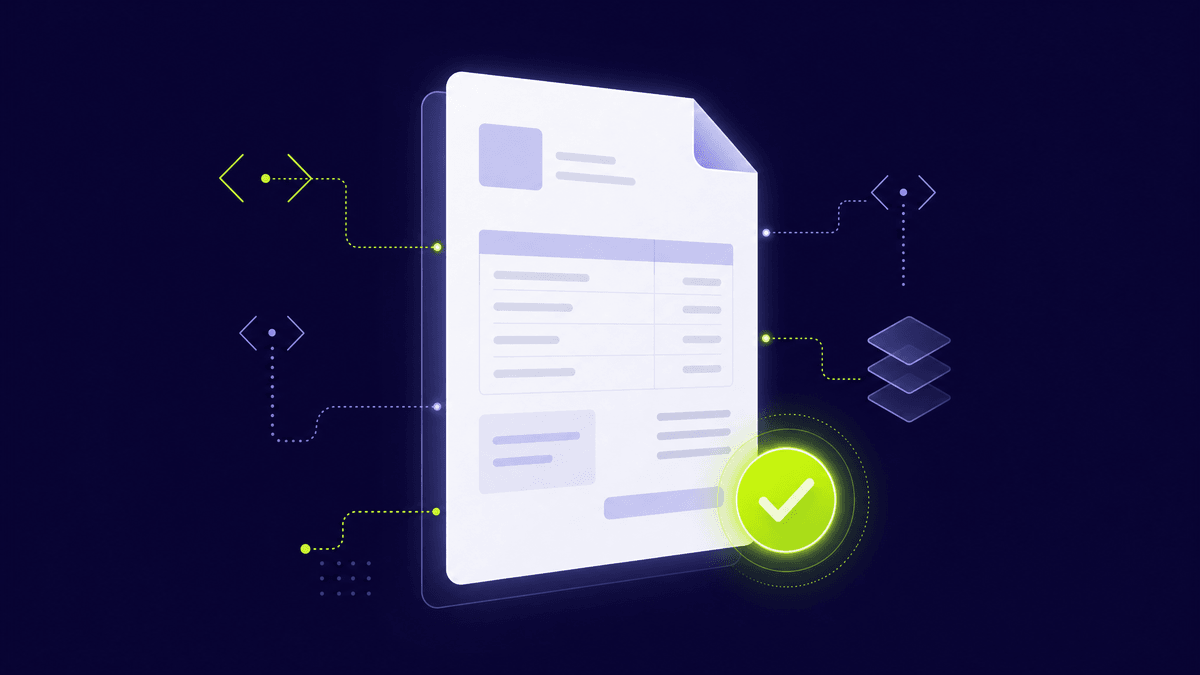
A compliant e-invoice is a structured format (e.g. Factur-X, a hybrid PDF + XML, or UBL / CII), routed through a platform that delivers it and reports the data.
PDP, PPF, e-reporting
What to do now
Official source: impots.gouv.fr.
What about Robi AI?
Robi AI already generates your quotes and invoices in the compliant structured format (Factur-X / XML), with sequential numbering and mandatory details handled for you — by voice or text. You stay focused on invoicing, and your documents are already ready for the obligation.
Conclusion
E-invoicing is an upgrade, not a threat. Remember the two dates — receive by 1 Sept 2026, issue by 1 Sept 2027 — use a tool that already produces compliant invoices, and you will handle it stress-free.
Frequently asked questions
Is e-invoicing mandatory for the French self-employed?+
Yes, including those under the VAT exemption regime, for B2B operations.
When does it start?+
Receive from 1 September 2026, issue from 1 September 2027 for micro-businesses.
Am I concerned under the VAT exemption regime?+
Yes, the same deadlines apply.
Are sales to individuals concerned?+
B2C sales are subject to e-reporting, not e-invoicing.
Does Robi AI produce reform-compliant invoices?+
Yes: Robi generates invoices in the structured Factur-X format (PDF + XML), ready for the 2026 obligation.
Put these tips into practice
With Robi AI, automate your invoicing and save 10 hours per month.
Get Started Free